The Role of Technology in Modern Classrooms: A Blessing or a Challenge?
Gavin Pierce
2025-11-11
6 min read

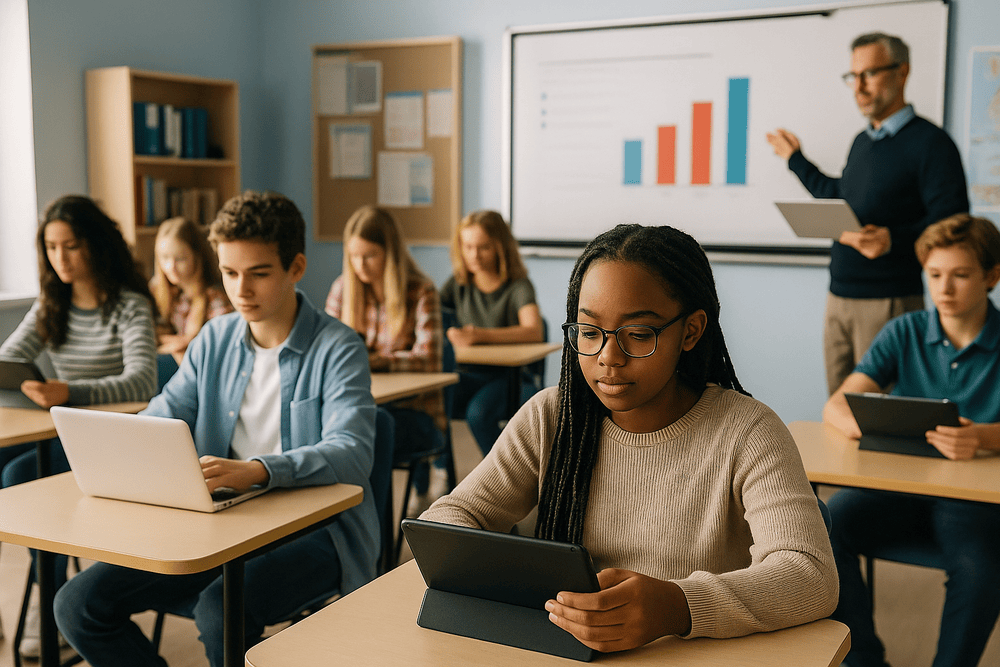
The modern classroom is a space of constant evolution. Interactive whiteboards have replaced chalkboards, tablets have taken the place of heavy textbooks, and the internet offers a gateway to information once found only in libraries. Technology has fundamentally reshaped the educational landscape, promising a future of personalized learning and global connection. Yet, this digital transformation is not without its complexities. As schools continue to integrate technology, educators and parents are navigating a new frontier filled with both incredible opportunities and significant hurdles. Is the increasing reliance on digital tools a definitive blessing for this generation of students, or does it present challenges that could hinder their development? This article explores the dual nature of technology in education, weighing its benefits against its drawbacks and considering how we can find a healthy balance.
The Blessings: How Technology Enhances Learning
The integration of technology into the classroom has unlocked powerful new ways to engage students and enrich their educational experience.
Personalized Learning Paths
One of the most significant advantages of educational technology is its ability to facilitate personalized learning. Adaptive software and AI-powered platforms can assess a student's individual strengths and weaknesses, tailoring curriculum and exercises to their specific needs. This allows students to learn at their own pace, receiving extra support in areas where they struggle and advancing more quickly in subjects they master. This customized approach helps prevent students from being left behind or held back by a one-size-fits-all curriculum.
Access to Unlimited Resources
The internet has effectively broken down the physical walls of the classroom, granting students access to a virtually limitless supply of information. They can watch historical events unfold through archival footage, take virtual tours of museums on the other side of the world, or access academic journals and expert lectures. This wealth of resources fosters curiosity and allows for deeper, more self-directed research that goes far beyond the scope of a traditional textbook.
Global Connectivity and Collaboration
Technology connects students with peers and experts from around the globe. Through video conferencing and collaborative online projects, students can work with classrooms in different countries, gaining valuable cross-cultural perspectives. This global connectivity prepares them for an increasingly interconnected world, fostering communication skills and a broader understanding of different cultures and ideas.
The Challenges: Navigating the Downsides of Digital Education
Despite its many benefits, the influx of technology into education also brings a new set of challenges that schools and families must address.
The Digital Divide
Perhaps the most pressing issue is the digital divide—the gap between students who have access to reliable internet and modern devices at home and those who do not. When homework and learning resources are primarily online, students without consistent access are at a significant disadvantage. This disparity can deepen existing socioeconomic inequalities and create barriers to educational success.
Screen Time and Digital Distractions
The increased use of screens in education raises valid concerns about students' health and focus. Excessive screen time has been linked to eye strain, poor posture, and disrupted sleep patterns. Furthermore, devices that offer a gateway to learning also provide endless opportunities for distraction. The temptation of social media, games, and notifications can make it difficult for students to stay focused on their educational tasks.
Teacher Adaptation and Training
Effectively integrating technology into the curriculum requires more than just providing devices. Teachers need comprehensive training and ongoing support to learn how to use these new tools in meaningful and pedagogically sound ways. Without proper training, technology can become a superficial addition to the classroom rather than a transformative tool for learning. Many educators feel overwhelmed by the pressure to keep up with rapidly changing technology.
The key to harnessing the power of technology in education lies in finding a thoughtful and intentional balance. It's not about choosing between technology and traditional methods but about integrating them in a way that maximizes benefits while mitigating risks. Solutions include schools investing in digital literacy programs that teach students how to be responsible and critical digital citizens. Policymakers and communities must work together to close the digital divide by ensuring equitable access to devices and high-speed internet. Additionally, schools should prioritize ongoing professional development to empower teachers to use technology effectively.
Ultimately, technology is a tool. Its impact depends on how we use it. By focusing on a blended approach—one that combines the best of digital innovation with the proven value of hands-on learning and face-to-face human interaction—we can create an educational environment that prepares students for the future without losing sight of their holistic development. The goal is to build a future where technology serves education, empowering every student to thrive in a complex and ever-changing world.