Winter Wellness: Boosting Your Immune System Naturally
Aubrey Cole
2025-10-24
6 min read
As the days grow shorter and a chill settles in the air, winter brings with it cozy evenings, festive gatherings, and a renewed desire to stay warm and comfortable. It also brings the annual challenge of staying healthy through cold and flu season. While it can feel inevitable that you’ll catch a bug or two, you have more power over your well-being than you might think. By adopting simple, natural habits, you can fortify your body’s defenses and feel your best all season long. Supporting your immune system doesn’t require a complete lifestyle overhaul. It’s about making small, consistent choices that collectively build a strong foundation for health. This guide will walk you through practical, natural ways to boost your immunity and embrace a vibrant winter.
Nourish Your Body from the Inside Out
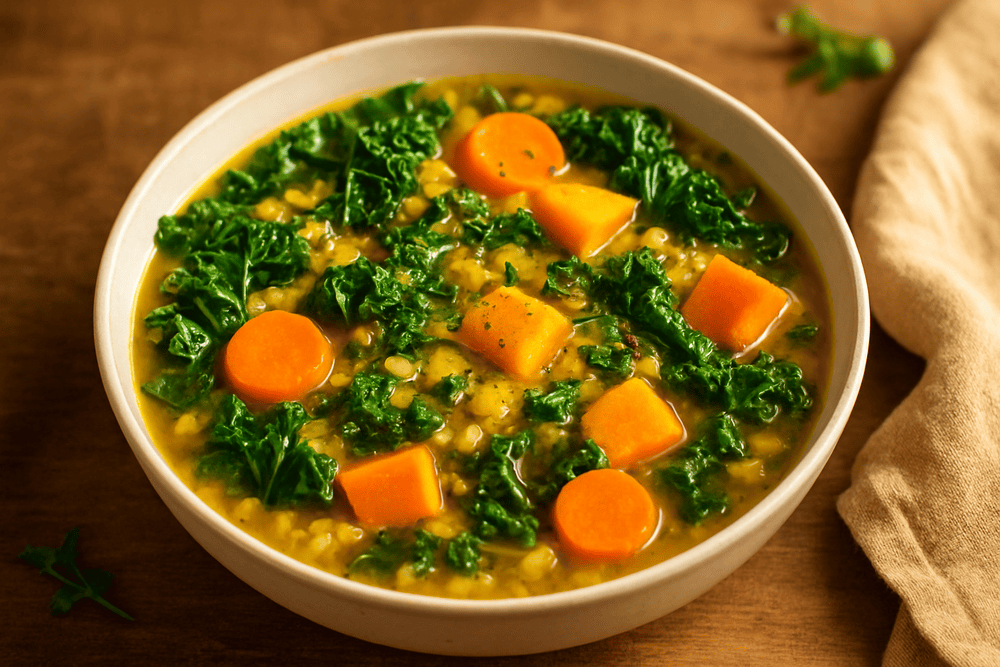
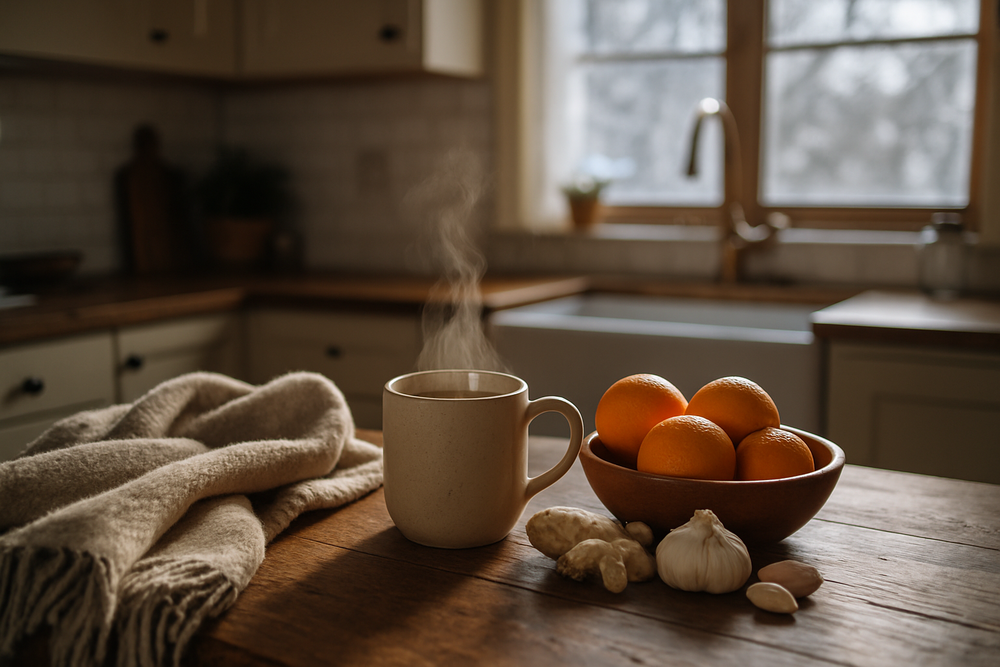
The food you eat plays a crucial role in the strength of your immune system. A diet rich in vitamins, minerals, and antioxidants provides the essential building blocks your body needs to fight off pathogens. Focus on Nutrient-Dense Foods: Fill your plate with a colorful variety of fruits and vegetables. Dark leafy greens like spinach and kale, citrus fruits like oranges and grapefruit, and berries are packed with Vitamin C, a powerful antioxidant. Root vegetables common in winter, such as sweet potatoes and carrots, are excellent sources of Vitamin A, which is vital for immune function. Incorporate Immune-Boosting Spices: Many common kitchen spices have potent medicinal properties. Turmeric contains curcumin, a compound with anti-inflammatory and antioxidant effects. Ginger can help soothe a sore throat and reduce inflammation. Garlic has been shown to have compounds that help the immune system fight germs. Add these generously to your soups, stews, and teas.
Support Your Gut Health: A significant portion of your immune system resides in your gut. A healthy gut microbiome is essential for a robust immune response. Include fermented foods like yogurt, kefir, sauerkraut, and kimchi in your diet to provide beneficial probiotics. Prebiotic foods, such as onions, garlic, and bananas, feed these good bacteria.
Prioritize Restful Sleep
Sleep is one of the most powerful and underrated tools for immune health. During sleep, your body undergoes critical repair processes and produces cytokines, a type of protein that targets infection and inflammation. When you don't get enough quality sleep, your body makes fewer of these protective cytokines, increasing your vulnerability to viruses. Aim for 7 to 9 hours of uninterrupted sleep per night. To improve your sleep quality, establish a relaxing bedtime routine, turn off screens at least an hour before bed, and make sure your bedroom is dark, quiet, and cool.
Keep Moving, Even When It's Cold
The temptation to hibernate on the couch is strong during winter, but regular physical activity is a key component of a healthy immune system. Moderate exercise increases the circulation of immune cells, helping them detect and fight off illnesses more effectively. You don’t need to engage in strenuous workouts. A daily 30-minute brisk walk is enough to provide benefits. If the weather is too harsh, explore indoor options. Try an online yoga or dance class, use a stationary bike, or simply do some bodyweight exercises like squats and push-ups in your living room. The goal is to keep your body moving consistently.
Manage Your Stress Levels
Chronic stress can wreak havoc on your immune system. When you're stressed, your body produces higher levels of the hormone cortisol. Over time, elevated cortisol can suppress the immune system's effectiveness, leaving you more susceptible to getting sick. Finding healthy ways to manage stress is essential. Incorporate mindfulness practices into your day, such as meditation or deep-breathing exercises. Spending time in nature, even a short walk in a local park, has been shown to reduce stress. Engaging in hobbies you enjoy, like reading, painting, or listening to music, can also provide a much-needed mental break.
Hydration is Key
Staying hydrated is important year-round, but it can be easy to forget during the colder months when you might not feel as thirsty. Water is essential for every function in your body, including carrying nutrients to your cells and flushing out toxins. Keep a water bottle with you throughout the day as a reminder to drink up. Warm beverages also count towards your fluid intake. Herbal teas like chamomile, peppermint, or ginger are excellent hydrating options that offer additional soothing benefits.
Small Actions, Big Impact
Building a strong immune system is a marathon, not a sprint. It’s the result of the small, positive choices you make every day. By nourishing your body with wholesome foods, getting enough sleep, staying active, and managing stress, you are giving yourself the best possible defense against winter illnesses. Embrace this season as an opportunity to tune into your body’s needs and practice self-care. Each healthy meal, restful night, and mindful moment is an investment in your well-being, helping you to not just survive the winter, but to thrive in it.