Global Perspectives on Education: What We Can Learn from Finland, Japan, and Beyond
Avery Hall
2025-11-09
6 min read
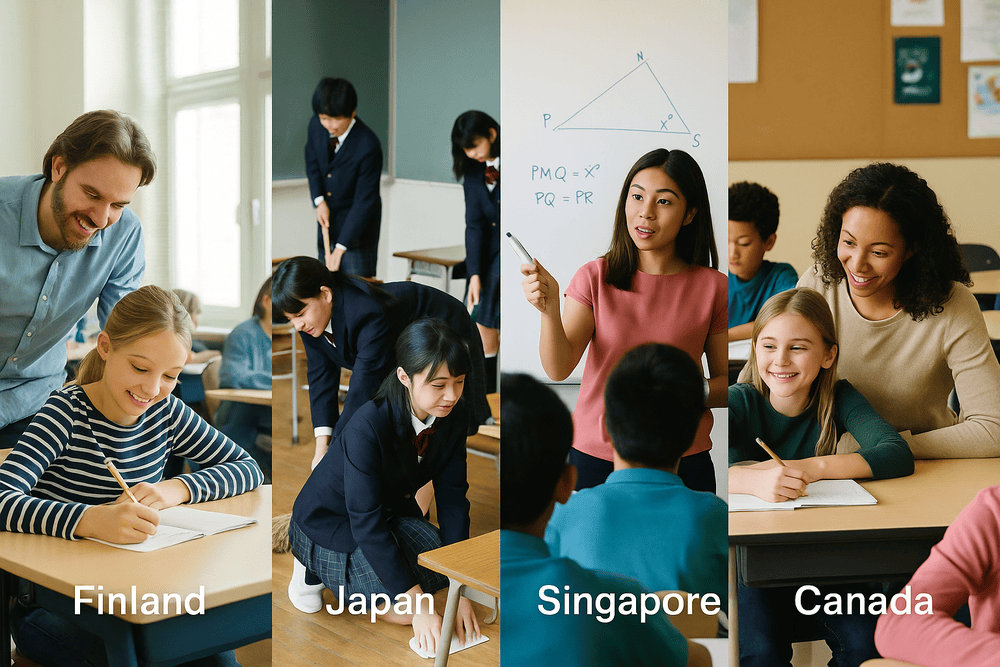
What makes a great education system? Is it rigorous testing, creative freedom, or a deep respect for tradition? There is no single answer, as countries around the world have developed unique and varied approaches to teaching their youth. By looking beyond our own borders, we can gain valuable insights into different philosophies of learning, discovering innovative practices that challenge our assumptions and inspire new ideas. Examining these global perspectives is not about finding a single "best" system to copy. Instead, it's an opportunity to appreciate the diverse ways that societies foster knowledge, discipline, and creativity. From Finland’s emphasis on well-being to Japan’s focus on collective harmony, these models offer a rich tapestry of ideas that can help us improve education for everyone.
Finland: Trust, Play, and Less is More
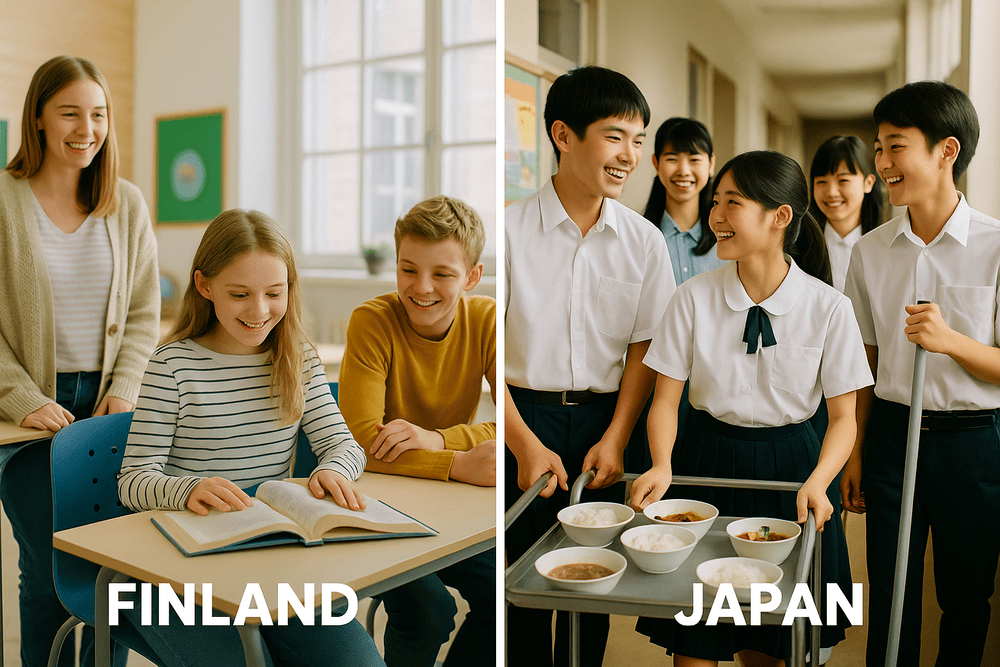
For years, Finland has been a global benchmark for educational excellence, consistently ranking high in international assessments. What is surprising to many is that its success is built on a foundation that seems to run counter to a high-pressure, test-driven culture. The Finnish model is rooted in trust, equity, and the well-being of the student. One of the most notable features is the emphasis on play and shorter school days. Students have less homework and more recess time compared to most other developed nations. The system operates on the belief that children learn best when they are well-rested and given the freedom to be creative. Teachers are highly trained and deeply respected professionals who are given significant autonomy to design their own curriculum without the constraints of standardized testing, which is minimal. The focus is on holistic development and fostering a genuine love of learning, rather than competition.
Japan: Discipline, Teamwork, and Character
The Japanese education system offers a different, yet equally fascinating, perspective. It is known for its discipline, rigor, and strong emphasis on group harmony and moral character. From a young age, students are taught the importance of working together and taking responsibility for their community. In Japanese schools, it is common for students to work together to clean their classrooms and serve lunch to one another. This practice is not about saving on custodial costs; it's about instilling a sense of collective responsibility and respect for their environment. The curriculum is highly standardized, ensuring that all students across the country receive the same quality of education. While academically demanding, the system also places a strong emphasis on tokkatsu—special activities that focus on character education, social skills, and practical life lessons, which are considered just as important as academic subjects.
Singapore: Targeted Excellence and Teacher Development
Singapore consistently tops global rankings in math, science, and reading. Its success can be attributed to a highly strategic and forward-thinking approach to education. The system is renowned for its focus on problem-solving and deep conceptual understanding, particularly in mathematics, with the "Singapore Math" method being adopted worldwide. A key pillar of Singapore's system is its investment in teachers. The teaching profession is highly prestigious, and educators are selected from the top third of academic graduates. They receive continuous, intensive professional development throughout their careers to ensure they are equipped with the latest pedagogical skills. The curriculum is centrally planned but designed to be flexible, allowing teachers to adapt their methods to meet the needs of their students, with a clear focus on preparing them for the demands of a globalized economy.
Canada: Equity and Decentralized Success
Canada's education system is unique in that it is highly decentralized, with each province and territory managing its own schools. Despite this variation, Canada consistently performs well in international comparisons, particularly in its commitment to equity. The system is recognized for its success in educating students from diverse socioeconomic and immigrant backgrounds to a high level. The Canadian approach emphasizes inclusion and providing strong support for all students, regardless of their background. There is a strong focus on collaborative teaching practices and a balanced curriculum that includes both core academic subjects and the arts. This commitment to ensuring that every student has a fair chance to succeed serves as a powerful model for creating more equitable educational opportunities globally.
The educational philosophies of Finland, Japan, Singapore, and Canada offer just a glimpse into the diverse ways we can approach learning. Each system reflects its nation's unique cultural values and priorities, yet they all share a common goal: to prepare the next generation for the future. By opening our minds to these different perspectives, we can begin to ask important questions about our own systems. We can be inspired to place more trust in our teachers, to value character as much as test scores, and to ensure that every child has the support they need to thrive. The world is a vast classroom, and by learning from one another, we can build a brighter, more innovative, and more equitable future for students everywhere.