Education for All: Tackling Inequality in Access to Learning
Natalie Kim
2025-10-12
6 min read
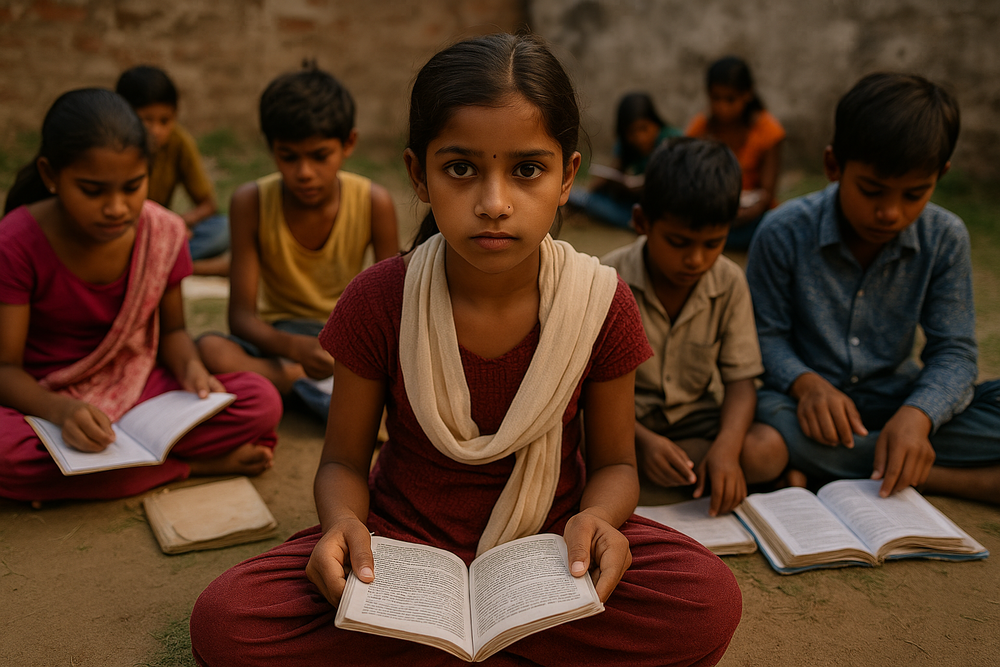
The ability to read, learn, and dream is a fundamental human right, yet it remains out of reach for millions of people around the world. Access to quality education is one of the most powerful tools for breaking cycles of poverty, promoting health, and fostering peace. Despite global progress, significant barriers continue to create a deep divide between those who have access to learning and those who do not. This inequality is not just a matter of individual circumstance; it is a global challenge that affects us all. When a portion of the world's population is denied the chance to reach their full potential, we all lose out on their future contributions. Understanding the obstacles is the first step toward building a world where every person has the chance to learn. This article explores the primary barriers to education and highlights the hopeful initiatives working to create a more equitable future.
The Major Barriers to Education
Educational inequality is a complex issue with deep roots. Three of the most significant hurdles that prevent children and adults from accessing quality learning are poverty, gender discrimination, and a lack of infrastructure.
The Cycle of Poverty
Poverty is perhaps the most pervasive barrier to education. For families struggling to meet basic needs like food and shelter, the costs associated with schooling—even when tuition is free—can be prohibitive. Expenses for uniforms, textbooks, and transportation can force parents to make an impossible choice between educating their children and providing for the family's immediate survival. Furthermore, children in low-income households are often required to work to support their families. This can mean long hours in fields, factories, or at home, leaving no time or energy for school. This creates a vicious cycle where a lack of education perpetuates poverty across generations.
Gender Discrimination
In many parts of the world, girls are disproportionately affected by educational inequality. Deep-seated cultural norms and beliefs often prioritize boys' education over girls'. Families may believe that a girl's future role is primarily domestic, making her education seem less valuable. Safety is another major concern. Girls often face a higher risk of harassment or violence on their journey to and from school. A lack of separate and safe sanitation facilities can also be a significant deterrent, particularly for adolescent girls. When girls are denied an education, it not only limits their individual potential but also has negative consequences for the health and prosperity of their entire community.
Lack of Infrastructure and Resources
Even when students have the desire and opportunity to learn, they may be held back by a lack of adequate infrastructure. In many rural or conflict-affected regions, there simply are no schools. Where schools do exist, they are often overcrowded, underfunded, and lack basic resources like electricity, clean water, and qualified teachers A shortage of trained educators is a critical issue. Teachers may be poorly paid and lack the support and professional development needed to provide a quality education. Without safe buildings, essential learning materials, and skilled teachers, meaningful learning cannot happen.

Bridging the Gap: Solutions and Success Stories
Despite these formidable challenges, incredible work is being done around the globe to make education for all a reality. Innovative solutions and dedicated efforts are breaking down barriers and bringing hope to communities.
Leveraging Technology and Digital Learning
Technology has emerged as a powerful tool for overcoming geographical and economic barriers. Digital learning platforms can deliver high-quality educational content to remote areas where physical schools are scarce. Organizations like Khan Academy provide free, world-class education on a wide range of subjects, accessible to anyone with an internet connection. In regions with limited connectivity, solutions like solar-powered tablets pre-loaded with educational materials are making a difference. These tools allow students to learn at their own pace and provide access to information that would otherwise be unavailable.
Community-Driven Schools and Initiatives
Lasting change often comes from within the community. Grassroots efforts that empower local leaders to establish and run their own schools have proven highly effective. These community-driven schools are often more attuned to the specific cultural and social needs of their students. For example, organizations like BRAC in Bangladesh have established thousands of single-room schools in remote villages. These schools employ local teachers and adapt the school schedule to accommodate children's work and household duties, dramatically increasing enrollment, especially for girls.
International Aid and Global Partnerships
Global cooperation plays a crucial role in tackling educational inequality. International organizations like UNESCO and UNICEF work with governments to develop stronger education systems, train teachers, and fund school construction. The Global Partnership for Education (GPE) is a multi-stakeholder partnership that mobilizes funding to support education plans in developing countries. By bringing together governments, donors, and civil society, the GPE helps to create sustainable, long-term improvements in educational access and quality.
A Future Built on Learning
Education is the cornerstone of progress. It empowers individuals, strengthens communities, and drives economic development. Every child who learns to read is a step toward a more enlightened world. Every girl who stays in school is a step toward a more equal and prosperous society. The path to ensuring education for all is long and challenging, but it is not impossible. Through innovation, collaboration, and a shared commitment to this fundamental human right, we can build a future where every person has the key to unlock their potential. The work is ongoing, but with every new school built, every teacher trained, and every student empowered, we move closer to a brighter, more equitable world for everyone.